THINK: The user wants to translate a title into Portuguese. I need to translate each part accurately and ensure the date and “Updated” are correct.

  • “My Squishy Box Store Codes” -> “Códigos da Minha Loja Squishy Box” or “Códigos da Loja My Squishy Box”. “My Squishy Box” seems to be a proper name, so it might be best to keep “My Squishy Box” and just translate “Store Codes”. However, if “My Squishy Box” is the name of the store, then “Códigos da Loja My Squishy Box” is more natural. Let’s assume “My Squishy Box” is the name of the entity providing the codes. “Códigos da My Squishy Box Store” sounds a bit clunky. “Códigos da Loja My Squishy Box” is good. Or just “Códigos My Squishy Box Store”.

    • Let’s consider “My Squishy Box Store”. This could be “Loja My Squishy Box”. And then “Códigos da Loja My Squishy Box”.
    • If “My Squishy Box” is the name of the store, then “Loja My Squishy Box”. If it’s descriptive, “Minha Loja Squishy Box”. Given the context of game codes/store codes, it’s often a proper noun.
    • Let’s break it down: “My Squishy Box” (likely a proper name) + “Store Codes”.
    • So, “Códigos da Loja My Squishy Box”. This sounds the most natural.
  • “— July 2026” -> “— Julho de 2026” (or “— Julho/2026” but “de” is more formal).

  • “(Updated)” -> “(Atualizado)”

Combining: “Códigos da Loja My Squishy Box — Julho de 2026 (Atualizado)”

Let’s re-evaluate “My Squishy Box Store Codes”. If it’s “Codes for My Squishy Box Store”, then “Códigos para a Loja My Squishy Box”. If “My Squishy Box Store” is the full name, then “Códigos da My Squishy Box Store”. In Portuguese, we often keep proper nouns as they are. “My Squishy Box” seems like a proper noun. “Store Codes” can be translated. “Códigos da Loja My Squishy Box” seems the most appropriate for a title.

Another option for “My Squishy Box Store Codes”: “Códigos da Minha Loja Squishy Box”. This implies “My Squishy Box” is not a proper name but “my squishy box store”. However, in the context of games/apps, “My Squishy Box” sounds like a proper name.

Let’s stick with the proper noun interpretation. “My Squishy Box Store” as the name. “Códigos da Loja My Squishy Box”.

Final check: “My Squishy Box Store Codes” -> “Códigos da Loja My Squishy Box” “— July 2026” -> “— Julho de 2026” “(Updated)” -> “(Atualizado)”

Result: “Códigos da Loja My Squishy Box — Julho de 2026 (Atualizado)” This looks correct and natural in Portuguese.Códigos da Loja My Squishy Box — Julho de 2026 (Atualizado)

Meu polegar pairava sobre o botão da caixa e eu me ...

THOUGHTS:The user wants a Portuguese translation of the title “How to Play Assassin’s Creed Black Flag Resynced Early with NZ Trick”. I need to translate each part of the title accurately. – “How to Play” -> “Como Jogar” – “Assassin’s Creed Black Flag” -> This is a proper noun/game title, it should remain as is. – “Resynced Early” -> “Ressincronizado Cedo” or “Sincronizado Mais Cedo” (the second one sounds more natural for ‘early’). “Ressincronizado” implies it was out of sync and then resynced. “Sincronizado Cedo” or “antecipadamente” might work better. “Sincronizado antecipadamente” sounds good. – “with NZ Trick” -> “com Truque NZ” or “com o Truque NZ”. “o” is better here. Let’s combine them: “Como Jogar Assassin’s Creed Black Flag Sincronizado Antecipadamente com o Truque NZ” Or, if “resynced” implies a specific technical term, “ressincronizado” might be intended. “Ressincronizado Cedo” still sounds a bit clunky. Let’s break down “Resynced Early”: “Resynced” – “Ressincronizado” “Early” – “Cedo”, “Antecipadamente” So, “Ressincronizado Antecipadamente” is a good option. Combining everything: “Como Jogar Assassin’s Creed Black Flag Ressincronizado Antecipadamente com o Truque NZ” Let’s check the natural flow. “Como Jogar Assassin’s Creed Black Flag Ressincronizado Antecipadamente com o Truque NZ” – This sounds good and accurate. Another option for “Resynced Early” could be “Sincronizar Cedo Novamente” or “Refazer a Sincronização Cedo”. But “Ressincronizado Antecipadamente” is more concise and fits the title structure well. The instruction specifies: “Return only the translated title as plain text. Do not include any explanations, additional text, formatting, or extra punctuation.” So, my output should be exactly the translated string.Como Jogar Assassin’s Creed Black Flag Ressincronizado Antecipadamente com o Truque NZ

São 23:48 e a contagem regressiva no seu console parece mais ...

THINK: The user wants to translate a title into Portuguese. I need to identify the key terms and translate them accurately while maintaining the context of a game title.

Original Title: ARK Survival Ascended: New Engrams in Tides of Fortune & Dragontopia

  1. ARK Survival Ascended: This is a proper noun, a game title. It should generally be kept as is, or if a translation is common/expected by the community, use that. “ARK Survival Ascended” is typically kept in English, similar to how game titles like “Elden Ring” or “Cyberpunk 2077” aren’t translated.
  2. New: Novo(s)/Novas.
  3. Engrams: This is a specific game term from ARK. The community usually uses “Engrams” or sometimes “Engramas” (plural of Engrama), but “Engrams” is very common even in Portuguese communities. Given the instruction for plain text and accuracy to common usage, “Engrams” is safer or “Engramas” if we want to fully translate. Let’s stick to “Engrams” as it’s common. If I were to translate strictly, it would be “Engramas.” Given the context of game titles often leaving specific terms, “Engrams” is a strong candidate.
  4. in: em.
  5. Tides of Fortune: “Marés da Fortuna” or “Marés da Sorte”. “Fortuna” fits better for the literal translation and thematic feel.
  6. &: e.
  7. Dragontopia: This is a proper noun, likely a name of a map/expansion/event. It should be kept as is.

Let’s combine these: “ARK Survival Ascended: Novos Engrams em Marés da Fortuna e Dragontopia” “ARK Survival Ascended: Novos Engramas em Marés da Fortuna e Dragontopia”

Considering the instructions for a plain text translation and no extra formatting, and aiming for how a Portuguese speaker in the gaming community would likely refer to it:

  • “ARK Survival Ascended” is kept.
  • “New” becomes “Novos”.
  • “Engrams” is commonly kept as “Engrams” in the community, but “Engramas” is the direct translation. For a title, “Engrams” might feel more natural to the existing game community. However, the request is for translation. If a direct translation is possible and widely understood, it should be used. “Engramas” is perfectly understandable.
  • “in” becomes “em”.
  • “Tides of Fortune” becomes “Marés da Fortuna”.
  • “&” becomes “e”.
  • “Dragontopia” is kept.

So, “ARK Survival Ascended: Novos Engramas em Marés da Fortuna e Dragontopia” seems like the most accurate and natural translation.

Double-check constraints: “Return only the translated title as plain text. Do not include any explanations, additional text, formatting, or extra punctuation.”

The chosen translation fits these constraints.ARK Survival Ascended: Novos Engramas em Marés da Fortuna e Dragontopia

Larguei âncora em um servidor que cheirava a sal e pólvora ...

THOUGHTS:The user wants a Portuguese translation of “Deltarune Chapter 5: All Recruits & How to Get Them”. I need to translate each part: – “Deltarune Chapter 5”: This is a proper noun (game title) and a chapter number. Proper nouns in game titles are usually kept as is. “Chapter 5” becomes “Capítulo 5”. – “All Recruits”: “All” is “Todos/Todas”. “Recruits” is “Recrutas”. Since “recrutas” can be both masculine and feminine, and refers to people, “Todos os Recrutas” or “Todas as Recrutas” is possible. “Recrutas” itself is gender-neutral as a noun, but the article “os” (masculine plural) or “as” (feminine plural) depends on the assumed gender mix or if a default is taken. In gaming contexts, “os” is often used as a default for mixed groups or when the gender isn’t specified. “Todos os Recrutas” is standard. – “&”: “e” – “How to Get Them”: “How to” is “Como”. “Get” can be “Obter”, “Conseguir”, “Pegar”. “Them” is “Eles/Elas” (pronominal form for objects/people). “Como Obter Eles/Elas” or “Como Conseguir Eles/Elas”. Since “recrutas” refers to people or entities, “como conseguir/obter eles/elas” fits. “Como Obtê-los” (clitic pronoun for “obter + os”) or “Como Conseguir Eles/Elas”. “Como Conseguir Eles” or “Como Obtê-los” are both good. “Como Obter Eles” is also common in Brazil. “Como Conseguir Eles” is probably more natural. Let’s consider “Como Conseguir Eles”. Combining: “Deltarune Capítulo 5: Todos os Recrutas e Como Conseguir Eles” Let’s refine “How to Get Them”. “Como Conseguir Eles” is correct but “Como Obtê-los” or “Como Conseguir [eles/elas]” are more formal/common in guides. “Como Conseguir Todos Eles” could be an option if referring back to “All Recruits”. “Como Obtê-los” sounds good and concise. “Os” here refers to “recrutas”. So, “Deltarune Capítulo 5: Todos os Recrutas e Como Obtê-los” seems like a very good translation. Let’s double-check the article for “Recruits”. “Recruta” is a common gender noun in Portuguese, so “os recrutas” or “as recrutas” are both possible if the group is entirely male or entirely female. When the gender is mixed or unspecified, “os recrutas” is the default (masculine plural). This is standard. Final check: Deltarune Capítulo 5: Todos os Recrutas e Como Obtê-losDeltarune Capítulo 5: Todos os Recrutas e Como Obtê-los

Deltarune Capítulo 5 começa com uma escolha pequena e impactante: poupar ...

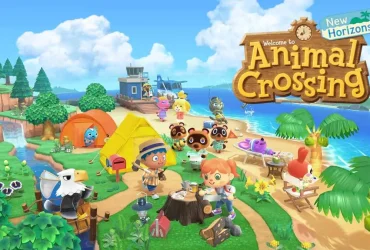
THINK: The user wants to translate a title into Portuguese. The title is “Latest Animal Crossing New Horizons Dodo Codes – June 2026”. I need to translate each part: – “Latest”: “Mais recentes”, “Últimos”, “As últimas” – “Animal Crossing New Horizons”: This is a proper noun (game title), so it should generally remain as is. – “Dodo Codes”: “Códigos Dodo”. “Dodo” is part of the game’s context, and “Codes” is “códigos”. – “–”: This is a hyphen, often translated as a hyphen or sometimes implicitly. – “June 2026”: “Junho de 2026”. Let’s combine them: “Mais recentes Códigos Dodo de Animal Crossing New Horizons – Junho de 2026” “Os últimos Códigos Dodo de Animal Crossing New Horizons – Junho de 2026” “As últimas Códigos Dodo para Animal Crossing New Horizons – Junho de 2026” – “Códigos” is masculine plural, so “Os últimos”. Considering “Latest” in the context of news/updates, “Últimos” or “Mais recentes” works well. “Últimos” sounds slightly more natural for a list of codes. “Últimos Códigos Dodo de Animal Crossing New Horizons – Junho de 2026” “Mais recentes Códigos Dodo para Animal Crossing New Horizons – Junho de 2026” “Códigos Dodo” sounds good. “de” or “para” can work after the codes. “de” for “of Animal Crossing” and “para” for “for Animal Crossing”. “de” is often used in this context. Let’s go with “Últimos Códigos Dodo de Animal Crossing New Horizons – Junho de 2026”. This seems the most natural and direct translation. No extra formatting, just the plain text.Últimos Códigos Dodo de Animal Crossing New Horizons – Junho de 2026

Atualizado: 29 de junho de 2026 Procuramos os códigos Dodo mais ...

Ultimamente, o Opera One navegador ganhou muitos aplausos por sua implementação ...

O Windows 11 possui suporte para comandos de voz como “Open ...

Dos óculos AR com IA da Meta ao seu novo recurso ...

Principais conclusões Aprendizado de máquina e processamento de linguagem natural (PLN) ...

À medida que a Worldwide Developers Conference (WWDC) da Apple se ...